
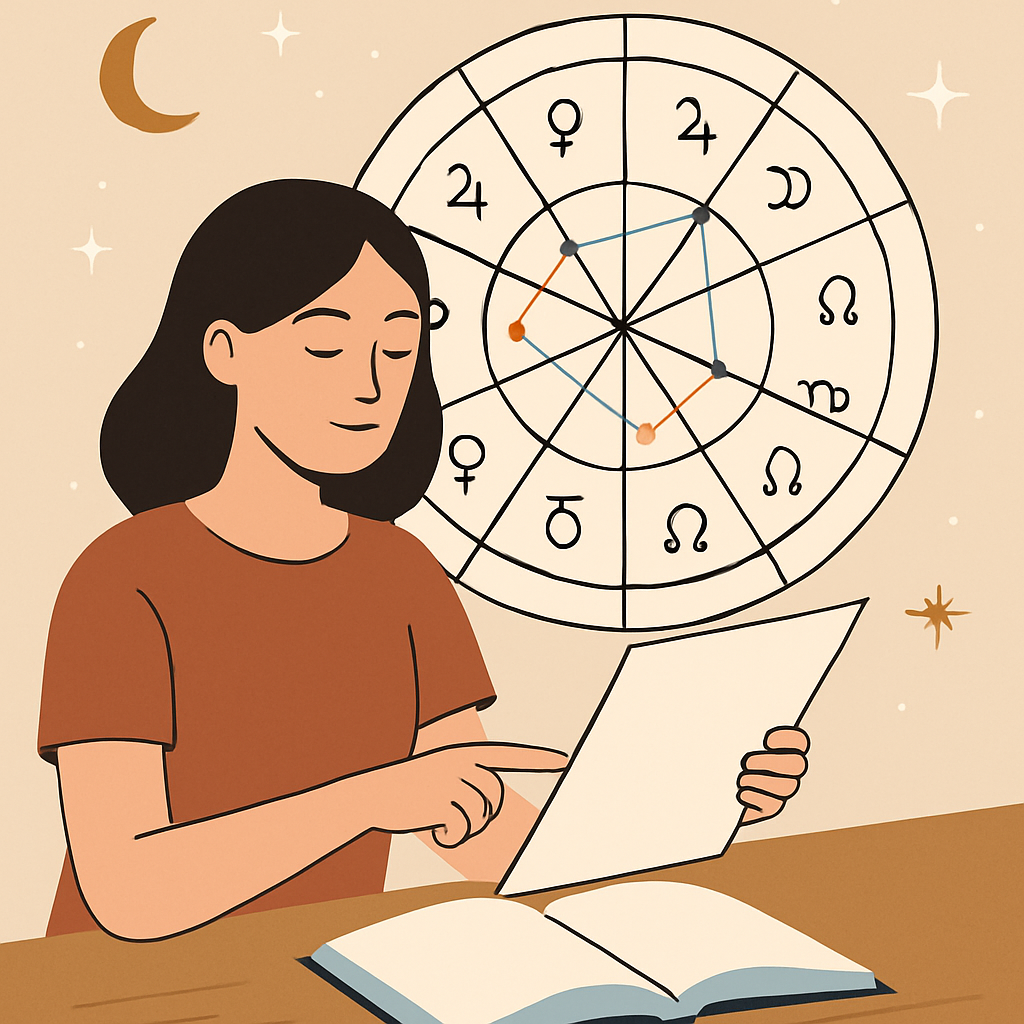
Astrology has been a guiding light for many, offering insights into personality traits, relationships, and even life paths. At the heart of this ancient practice is the birth chart, also known as a natal chart. Understanding your birth chart can be a profound and enlightening journey. In this guide, we’ll walk you through the steps to read and interpret your personal birth chart.
What is a Birth Chart?
A birth chart is a map of where all the major planets and astrological points were located at the exact time and place of your birth. It’s a unique snapshot of the sky at that moment, reflecting the energies that influence your life. Each aspect of the chart — from the sun sign to the moon sign and beyond — offers a glimpse into different facets of your personality and life experiences.
The Components of a Birth Chart
- The Sun Sign: This represents your core identity and is often referred to as your star sign. It's determined by the position of the sun at the time of your birth. The sun sign is perhaps the most well-known aspect of astrology, often associated with your ego, basic nature, and the essence of who you are.
- The Moon Sign: This reflects your emotional inner world and how you process feelings. The moon sign can reveal your subconscious and emotional responses, providing insight into your deepest needs and how you nurture yourself and others.
- The Ascendant (Rising Sign): This indicates how you present yourself to the world. It's the mask you wear in public and can dictate your outward style and first impressions you make on others.
- The Houses: The birth chart is divided into 12 houses, each representing different areas of life such as career, relationships, and personal growth. Each house is ruled by a different zodiac sign and is associated with specific life themes, from personal identity to financial matters and beyond.
- The Planets: Each planet influences different aspects of your personality and areas of life. For example, Venus is associated with love and beauty, while Mars is linked to action and energy. Understanding the planetary influences can help you grasp the dynamics of your interactions and personal drives.
How to Read Your Birth Chart
Reading a birth chart can be overwhelming at first, but by breaking it down into sections, you can start to uncover its meanings. Here’s a simple way to begin:
Step 1: Gather Your Birth Information
To create an accurate birth chart, you need the exact date, time, and location of your birth. Even a few minutes can make a significant difference in the positioning of the planets. If you’re unsure of your birth time, try checking your birth certificate or asking family members. Some astrologers can also work with an approximate time, but the more precise, the better.
Step 2: Generate Your Birth Chart
There are many online tools available that can generate a birth chart for you. Simply input your birth details, and you’ll receive a chart detailing the positions of the planets and houses at your birth. Websites like Astro.com or apps like Co-Star offer free birth chart generation services.
Step 3: Understand the Symbols
Take time to familiarize yourself with the symbols and glyphs used in your chart. Each planet and sign has a unique symbol, and recognizing these will help you decode the chart more easily. Most charts come with a legend or key that explains these symbols, so be sure to refer to it as you explore your chart.
Interpreting Your Birth Chart
Once you have your chart, the next step is interpretation. Here’s a basic guide to get you started:
Sun, Moon, and Rising Signs
These are the big three in astrology, often considered the most influential aspects of your chart.
- Sun Sign: Represents your core essence and how you shine in the world. It’s your primary driver and influences your life goals and sense of purpose.
- Moon Sign: Relates to your emotional self and instinctual reactions. It governs your mood, habits, and how you find comfort and security.
- Rising Sign: Influences your outer behavior and first impressions. It can affect your style, demeanor, and how others perceive you upon first meeting.
Examining the Houses
Each house in your chart covers a different area of life and is influenced by the sign that rules it and any planets located within it.
- 1st House: Self-image and personal identity. This house is about how you see yourself and how others see you.
- 2nd House: Finances and material possessions. It deals with your attitude towards money, possessions, and your sense of value and self-worth.
- 7th House: Relationships and partnerships. This house represents close personal relationships, including marriage and business partnerships.
Planetary Aspects
The angles between planets (aspects) influence how they interact with each other. Key aspects include:
- Conjunction: Planets are close together, blending their energies. This can amplify the traits of the involved planets, creating a strong focus in the areas they govern.
- Opposition: Planets are opposite each other, creating tension and challenges. This aspect often requires balance and negotiation between the conflicting energies.
- Trine: Planets form a harmonious angle, facilitating ease and flow. This aspect indicates natural talent or areas where things come easily.
Examples of Birth Chart Readings
To illustrate how a birth chart reading might unfold, consider this example: A person with a Sun in Aries, Moon in Cancer, and Virgo Rising. This combination suggests a dynamic personality with a pioneering spirit (Aries Sun), a nurturing and sensitive emotional nature (Cancer Moon), and a practical, detail-oriented approach to life (Virgo Rising).
Another example might be someone with a strong emphasis on the 10th house, often indicating a focus on career and public life. If Mars is present in this house, it could suggest ambition and drive in professional pursuits. Conversely, if Neptune is in the 10th house, it might indicate a career in the arts or a need to navigate illusions in professional life.
The Benefits of Understanding Your Birth Chart
Reading your birth chart isn’t just about understanding your personality traits; it’s also a tool for personal growth and self-awareness. By recognizing your strengths and challenges, you can make more informed decisions and align your actions with your true self.
Understanding your birth chart can also enhance relationships, career choices, and even help you navigate life changes with greater ease and confidence. For instance, knowing your partner's moon sign can improve emotional communication, while understanding your career house can guide you towards fulfilling work.
Conclusion: Embark on Your Astrological Journey
Exploring your birth chart can be a transformative experience, offering insights that resonate deeply with your personal life. If you’re ready to dive deeper into the world of astrology, Moon Reading offers an interactive astrology reading that can guide you on this journey. Discover the cosmic influences shaping your life and unlock the potential within your personal birth chart.
For those new to astrology, be sure to explore our Tìm hiểu về Chiêm tinh học: Khái niệm cơ bản for a deeper understanding of astrological principles.